XHJ News
How to Choose the Right Fuel for a Biomass Boiler
Time: 2026-07-23
Biomass fuel enters the renewable energy source market, there is growing interest in biomass boilers, along with some questions regarding the specific composition and form of biomass, since fuel quality directly affects the operation of biomass boilers.
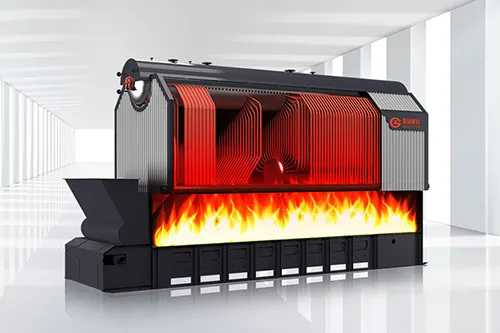
Biomass boilers renewable energy to generate steam and hot water, making them a key piece of equipment in today’s green energy sector. However, the stable and efficient operation of a boiler is closely tied to fuel quality.
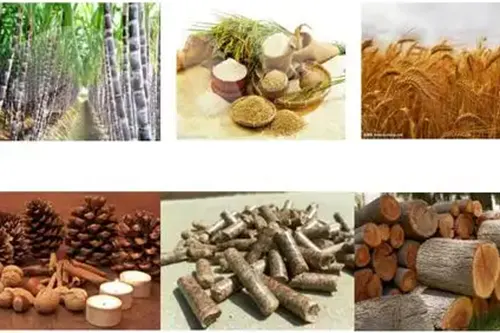
Selecting the right fuel not only improves combustion efficiency but also reduces ash buildup, coking, and equipment wear. While there are many common types of biomass fuels, they fall into two main categories: pelletized and loose. Different boiler designs are available to accommodate these two types of biomass fuel. Currently, biomass boilers can utilize fuels such as wood pellets, wood chips, rice husks, palm shells, peanut shells, corn cobs, sugarcane bagasse, sawdust, and straw pellets.
Different fuels have varying calorific values, so selection must be based on the boiler’s design.
Biomass Moisture Content: It is recommended to maintain moisture content between 10% and 20%, with a maximum of 25%, as excessively high moisture content reduces combustion temperature and increases fuel consumption.
Biomass Calorific Value: The higher the calorific value, the higher the boiler’s combustion efficiency and the more stable the steam output.
Biomass Ash Content: The lower the ash content, the better. Fuels with high ash content are prone to ash buildup and clogging of heat transfer surfaces, and they increase the workload required for ash removal.
Biomass Shape: Uniform dimensions and consistent particle size ensure stable fuel feeding and improve combustion efficiency. Fuel that is too large may cause feeding blockages, while fuel that is too fine can affect combustion stability.
Biomass Impurity Content: Contaminants such as stones, metal, and sand should be avoided to prevent damage to conveying equipment and grates.
How to Choose the Right Fuel?
When selecting fuel, the following factors should be considered comprehensively: local fuel supply, fuel price, calorific value, moisture content, ash content, and
boiler design type.
In addition to the factors mentioned above regarding biomass fuel’s calorific value, moisture content, and ash content, fuel selection must also take into account local fuel supply and fuel price. Choosing the right fuel not only reduces operating costs but also extends the boiler’s service life and improves overall economic efficiency.
XHJ, as a leading biomass boiler manufacturer in China, has consistently provided safe and reliable equipment to the global industrial heating sector. You, as our customers, should select biomass fuel that meets the specified requirements to ensure efficient, safe, and environmentally friendly boiler operation, thereby achieving energy savings, cost reductions, and economic value.
Biomass boilers renewable energy to generate steam and hot water, making them a key piece of equipment in today’s green energy sector. However, the stable and efficient operation of a boiler is closely tied to fuel quality.
Selecting the right fuel not only improves combustion efficiency but also reduces ash buildup, coking, and equipment wear. While there are many common types of biomass fuels, they fall into two main categories: pelletized and loose. Different boiler designs are available to accommodate these two types of biomass fuel. Currently, biomass boilers can utilize fuels such as wood pellets, wood chips, rice husks, palm shells, peanut shells, corn cobs, sugarcane bagasse, sawdust, and straw pellets.
Different fuels have varying calorific values, so selection must be based on the boiler’s design.
Biomass Moisture Content: It is recommended to maintain moisture content between 10% and 20%, with a maximum of 25%, as excessively high moisture content reduces combustion temperature and increases fuel consumption.
Biomass Calorific Value: The higher the calorific value, the higher the boiler’s combustion efficiency and the more stable the steam output.
Biomass Ash Content: The lower the ash content, the better. Fuels with high ash content are prone to ash buildup and clogging of heat transfer surfaces, and they increase the workload required for ash removal.
Biomass Shape: Uniform dimensions and consistent particle size ensure stable fuel feeding and improve combustion efficiency. Fuel that is too large may cause feeding blockages, while fuel that is too fine can affect combustion stability.
Biomass Impurity Content: Contaminants such as stones, metal, and sand should be avoided to prevent damage to conveying equipment and grates.
How to Choose the Right Fuel?
When selecting fuel, the following factors should be considered comprehensively: local fuel supply, fuel price, calorific value, moisture content, ash content, and
boiler design type.
In addition to the factors mentioned above regarding biomass fuel’s calorific value, moisture content, and ash content, fuel selection must also take into account local fuel supply and fuel price. Choosing the right fuel not only reduces operating costs but also extends the boiler’s service life and improves overall economic efficiency.
XHJ, as a leading biomass boiler manufacturer in China, has consistently provided safe and reliable equipment to the global industrial heating sector. You, as our customers, should select biomass fuel that meets the specified requirements to ensure efficient, safe, and environmentally friendly boiler operation, thereby achieving energy savings, cost reductions, and economic value.
- How does hot water boiler work?2026-07-29
- How to Choose a Suitable Industrial Steam Boiler?2026-07-27
- How to Choose the Right Fuel for a Biomass Boiler2026-07-23
- What are the fuels commonly used in steam boilers?2019-01-16
- What are the fuels for oil and gas boilers?2019-01-11
- Advantages of natural gas boilers2019-01-10
- How to calculate boiler fuel consumption2018-12-10
- How to choose right boiler2018-11-28
- How to determine boiler capacity2018-10-27
Request a quotation